Ever seen someone say “That’s just my nick” or “He tried to nick my phone” and felt slightly confused? You’re not alone.
The word “nick” is one of those deceptively simple terms that carries multiple meanings depending on context, region, and even tone.
In today’s fast-moving digital world, where texting, memes, and global slang collide, understanding words like nick meaning isn’t just helpful, it’s essential.
A single misunderstanding can flip the meaning of a conversation entirely.
This guide (updated for 2026) breaks everything down: definitions, origins, real-life examples, and how to use “nick” naturally in chats.
Whether you’re a student, content creator, or just trying to keep up with online slang, you’ll leave here with total clarity.
What Does “Nick” Mean?
✅ Quick Answer:
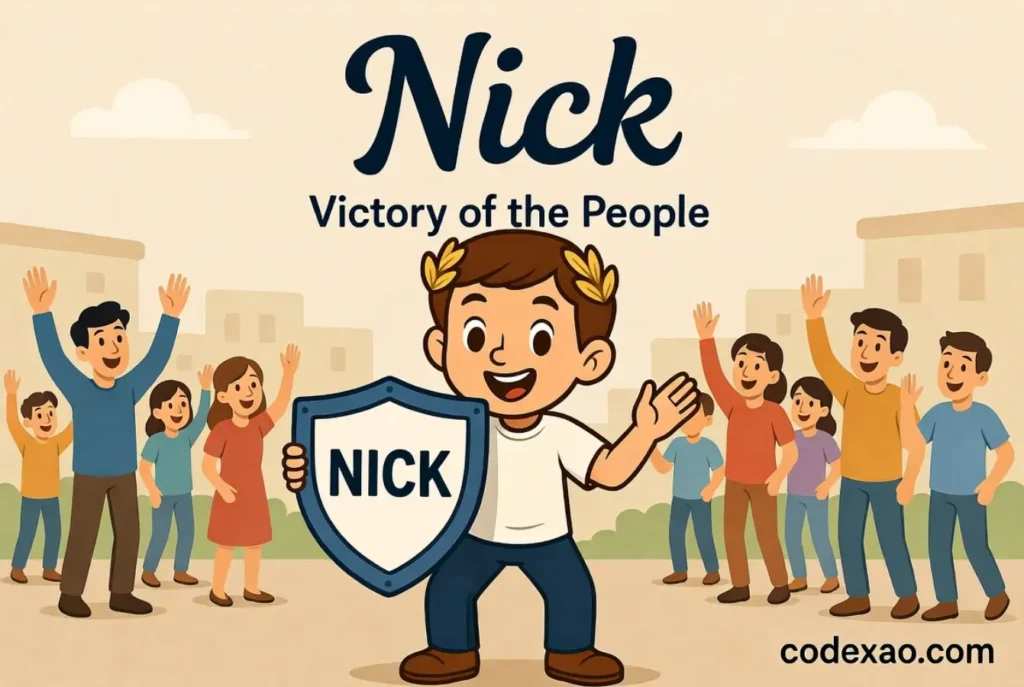
“Nick” usually means a nickname (a shorter version of a name), but in slang, especially British, it can also mean “to steal” or refer to a small cut or mark.
Core Meanings:
- Nickname (Most Common)
- A shortened or informal version of a name
- Example: “Sam” is a nick for “Samantha”
- To Steal (British Slang)
- Informal usage meaning to take something without permission
- Example: “Someone nicked my wallet!”
- A Small Cut or Mark
- Literal meaning used in everyday language
- Example: “I got a nick on my finger while cooking”
🧠 Origin of “Nick”
- Derived from Middle English, meaning a notch or cut
- Later evolved into “nickname” (originally “eke-name”)
- British slang adopted “nick” to mean stealing in the 19th–20th century
- Became globally recognized through movies, TV shows, and internet culture
🔊 Pronunciation:
Nick = /nik/ (rhymes with “pick”)
How to Use “Nick” Correctly in Texts & Chat
Using nick meaning properly depends on context. Here’s how to get it right:
📱 In Casual Chats (Most Common Use)
- “Nick” = nickname
- Friendly and informal
- Works across WhatsApp, Instagram, Discord
Example:
- “What’s your nick on this server?”
🇬🇧 In British or Casual Slang
- “Nick” = steal
- Often used humorously or casually
Example:
- “Don’t nick my charger again 😂”
⚠️ When NOT to Use It
- Formal emails or professional settings
- Academic writing
- Serious/legal discussions (use precise language instead)
✨ Formatting Tips
- Lowercase is standard: nick
- Emoji pairings:
- 😅 (for humor)
- 😂 (for playful accusations)
- Avoid overuse, it can sound unnatural if forced
Real Conversation Examples Using “Nick”
👯 Between Friends
A: “Hey, what’s your nick on TikTok?”
B: “It’s just ‘SamEdits’”
Meaning: Refers to username/nickname casually
💬 In a Group Chat
A: “Who nicked my snacks??”
B: “Not me this time 😇”
Meaning: Playful accusation of stealing
💕 In Dating Chat
A: “Can I call you a nick?”
B: “Sure, what do you have in mind?”
Meaning: Asking for a nickname (intimate/friendly tone)
👨👩👧 Family Context
Mom: “We used to call your dad ‘Speedy’ as his nick”
Meaning: Nostalgic nickname usage
🎮 Gaming Chat
Player1: “Use your nick, I can’t find you on the leaderboard”
Meaning: Username/handle in online games
Common Mistakes & Misunderstandings
❌ 1. Confusing “Nick” with Only One Meaning
Many assume it only means nickname, but context matters. In the UK, it often means “steal.”
❌ 2. Using It in Formal Contexts
Saying “Please provide your nick” in a job email? Not a great look.
❌ 3. Generational Confusion
- Gen Z: Uses “nick” casually online
- Older generations: May only recognize traditional meanings
🌍 Cultural Differences
- UK: “Nick” = steal (very common)
- US: Mostly refers to nickname
- Online global chats: Depends on context
💡 Pro Tip:
If unsure, ask:
“Do you mean nickname or something else?”
“Nick” Across Different Platforms & Demographics
📊 Usage by Age Group
- Gen Z: Uses it casually (username, identity)
- Millennials: Familiar, but less frequent
- Older users: Prefer “nickname” fully spelled out
📱 Platform Trends
- TikTok: Often used in bios/usernames
- Instagram: Used in captions or handles
- Discord: Very common (server nicknames)
- Reddit: Rare, “username” preferred
🔥 Is It Safe for Work?
- ✔️ “Nick” (nickname) = safe
- ❌ “Nick” (steal) = informal, avoid in professional tone
📈 Viral Influence
British TV shows and memes have helped popularize the “steal” meaning globally, especially in humorous contexts.
Related Slang, Abbreviations & Alternatives
| Term | Meaning |
|---|---|
| Username | Your online identity |
| Handle | Social media name |
| Alias | Alternative identity |
| Tag | Social identifier |
| IGN | In-game name |
| Moniker | Stylish nickname |
| AKA | Also known as |
| ID | Identity/identifier |
| Screen name | Online display name |
Learn more about related slang like “AKA” or “handle” to expand your digital vocabulary.
FAQs:
What does “nick” mean in texting?
“Nick” usually refers to a nickname or username in texting. It’s a casual way to ask or refer to someone’s shorter or online name.
Is “nick” a slang word or formal term?
It’s mostly informal. While “nick” as a shortened form of “nickname” is acceptable casually, it’s not typically used in formal writing.
Does “nick” mean steal in British slang?
Yes. In British slang, “nick” commonly means to steal something, often used in a light or humorous way.
What is the difference between “nick” and “nickname”?
“Nickname” is the full, formal word. “Nick” is simply a shorter, casual version used in conversations.
Can “nick” have multiple meanings?
Absolutely. It can mean a nickname, stealing (UK slang), or even a small cut. Context is key to understanding the intended meaning.
Conclusion:
“Nick” might look like a tiny word, but it packs multiple meanings into just four letters. From friendly nicknames to cheeky British slang, context is everything.
Once you understand how nick meaning shifts across conversations, you’ll start spotting it everywhere, from group chats to gaming platforms.
And better yet, you’ll use it confidently without second-guessing.
Language online evolves fast. Staying updated on terms like this keeps you in the loop, and makes your communication sharper and more natural.
Got a favorite slang word you want decoded next? Drop it below and keep the conversation going.

Hi, I’m Isabella Brown, the voice behind Codexao.com, where meanings aren’t just explained, they’re made easy to understand.
I’ve always been fascinated by how words shape the way we think, speak, and connect. But let’s be honest—most definitions out there feel confusing, outdated, or just plain boring.
That’s exactly why I created Codexao. Here, I break down words, slang, and modern expressions into simple, clear meanings you can actually use in real life.