You know that friend who cannot just recommend a restaurant. They have to describe every dish in loving detail, sigh about the ambiance, and practically tear up over the dessert menu. That, right there, is a rhapsody in action.
The word shows up in song titles, book reviews, and casual conversations, yet a lot of people only have a fuzzy idea of what it actually means. Is it a type of music? A feeling? Both?
This guide breaks down the rhapsody meaning in plain English, traces where the word came from, and shows you exactly how to use it correctly whether you are writing an essay, texting a friend, or just trying to sound sharper at dinner. This is the only resource you will need on the topic.
By the end, you will know the difference between rhapsody and rhapsodic, understand why Queen named a legendary song after it, and be able to use the word confidently in real conversations.
What Does Rhapsody Mean?
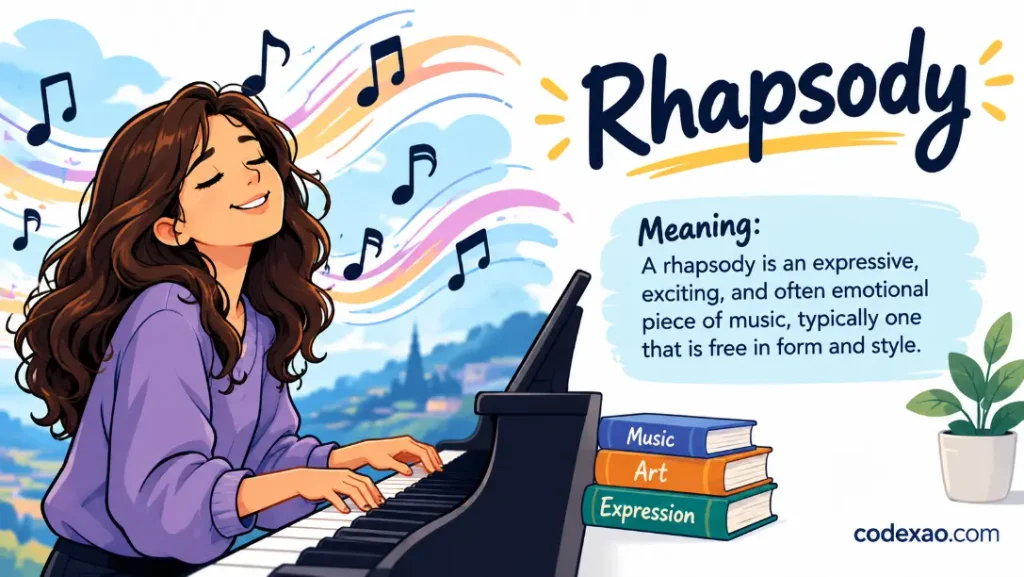
At its core, rhapsody means an intense, overflowing expression of enthusiasm or emotion. When someone speaks in a rhapsody, they are gushing, practically unable to contain their excitement about the subject.
Quick Answer: A rhapsody is either an enthusiastic outburst of feeling, or a free-form piece of music or writing that favors emotion over strict structure.
The word did not start out this emotional. It comes from the Ancient Greek term rhapsōidia, which referred to epic poems stitched together and performed aloud by traveling poets called rhapsodes. These performers would recite long stretches of poetry, often from Homer’s work, with dramatic flair and passion.
Over centuries, the meaning shifted. By the 1700s and 1800s, composers borrowed the term for musical pieces that felt improvisational and emotionally driven rather than locked into a formal structure like a symphony or sonata. Think Liszt’s Hungarian Rhapsodies or Gershwin’s Rhapsody in Blue.
From there, the word leaked into everyday English to describe any burst of gushing enthusiasm, musical or not.
Pronunciation: rap-suh-dee, with the stress on the first syllable.
How to Use Rhapsody Correctly in Sentences and Conversation
Getting the tone right matters here. A rhapsody is not neutral. It always carries a sense of heightened emotion, usually positive, sometimes tipping into excessive or over-the-top territory.
As a noun describing intense feeling
Use it when someone’s enthusiasm spills over into something almost theatrical. “She launched into a rhapsody about her new puppy” sounds natural and vivid.
As a musical or literary term
Use it when referring to an actual composition or piece of writing built around mood rather than strict form, such as “Rhapsody in Blue” or “Bohemian Rhapsody.”
As the verb rhapsodize
This is the action version. “He rhapsodized for twenty minutes about his coffee order” describes the act of gushing.
Tone check
Rhapsody leans slightly formal and literary, so it fits well in writing, speeches, or thoughtful conversation. It can also carry a gentle hint of teasing when you use it to describe someone who is being a little dramatic. In strictly professional emails or technical documents, it will feel out of place unless you are specifically discussing music or literature.
Real Conversation Examples Using Rhapsody
Between friends texting
“omg did you see the sunset last night”
“yesss I basically went into a full rhapsody about it to my roommate lol”
Here, rhapsody conveys playful self-awareness about being overly enthusiastic.
In a dating context
“He spent the whole date rhapsodizing about his vinyl collection.”
This shows genuine passion, though it can also hint the person talked a bit too much about themselves.
At a family dinner
“Grandma always goes into a rhapsody about how good tomatoes tasted back in the day.”
This use is warm and nostalgic, painting an older relative as sentimental rather than critical.
In a work chat
“The client sent us a whole rhapsody praising the new website design.”
This signals genuinely glowing, enthusiastic feedback rather than a short thumbs up.
Among gamers
“Bro would not stop rhapsodizing about his new gaming chair for an hour.”
This use is affectionate teasing, poking fun at someone’s over-the-top excitement.
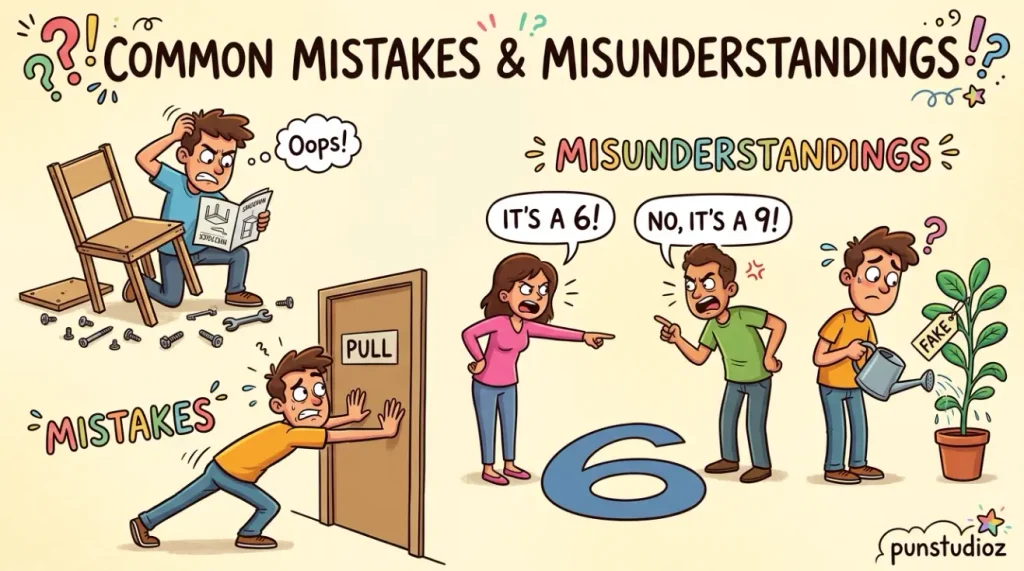
Common Mistakes and Misunderstandings
Mistake one: Using it for negative emotions
Rhapsody almost always implies positive enthusiasm. Saying someone “went into a rhapsody” about how much they hated their commute misuses the word. Save it for admiration, joy, or excitement.
Mistake two: Confusing rhapsody with eulogy
A eulogy praises someone specifically after death or in formal tribute. A rhapsody is broader, applying to any gushing enthusiasm about any subject, living or not.
Mistake three: Treating it as purely musical
Plenty of people only know rhapsody from song titles and assume it cannot apply outside music. In reality, the emotional meaning is used far more often in everyday speech and writing.
Generational gap
Older generations and English teachers tend to associate the word tightly with classical music and poetry. Younger speakers increasingly use it more loosely and casually, especially online, to describe anyone gushing about a favorite show, food, or hobby.
Clarifying it in conversation
If someone looks confused, the simplest fix is swapping in a synonym mid-sentence, like saying “she was raving, basically going into a rhapsody” to bridge the gap.
Rhapsody Across Music, Literature and Everyday Language
In classical music, rhapsody refers to a specific style of composition, free-flowing, episodic, and emotionally driven rather than following a strict sonata form. Famous examples include Liszt’s Hungarian Rhapsodies and George Gershwin’s Rhapsody in Blue.
In pop culture, the word exploded in awareness thanks to Queen’s 1975 song Bohemian Rhapsody, which shifts between ballad, opera, and rock without a traditional chorus. That structural freedom is exactly why Freddie Mercury chose the title.
In literature, critics use rhapsody to describe writing that reads as emotionally intense and loosely structured, prioritizing feeling and imagery over tight narrative logic.
In everyday speech, the word has softened into something almost playful. People use it to describe a friend gushing about a new phone, a foodie describing a meal in loving detail, or a reviewer raving about a movie.
Is it formal or informal? It sits comfortably in both worlds. It works in academic essays and casual conversation alike, though it appears far less on platforms built for short slang like text abbreviations, and far more in longer form writing, reviews, and expressive social media captions.
Related Words, Synonyms and Alternatives
| Term | Quick Meaning |
|---|---|
| Rhapsodic | Adjective form, describing something with overflowing enthusiasm |
| Rhapsodize | Verb form, to talk enthusiastically and at length |
| Rave | Casual synonym, to talk with excited enthusiasm |
| Gush | To express excessive, often overly emotional enthusiasm |
| Effusive | Expressing feelings in an unrestrained, overflowing way |
| Panegyric | A formal, elaborate speech of praise |
| Ecstatic | Overwhelmingly happy or enthusiastic |
| Ode | A poem expressing praise or celebration of a subject |
| Fantasia | A musical composition similar in freedom to a rhapsody |
| Restrained | An antonym, describing controlled, unemotional expression |
If you enjoyed learning about rhapsody, you might also like exploring the meaning of effusive, the difference between an ode and an elegy, or how fantasia compares to rhapsody in classical music.
FAQs:
Is rhapsody a positive word?
Yes, nearly always. It signals genuine enthusiasm and admiration rather than criticism, so using it about someone’s speech or writing is generally a compliment.
What is the difference between rhapsody and rhapsodic?
Rhapsody is the noun form, naming the outburst of feeling or the piece of music. Rhapsodic is the adjective describing something that carries that same intense, flowing quality.
What does it mean to rhapsodize about something?
It means talking or writing about a subject with excessive, gushing enthusiasm. Someone who rhapsodizes about their hometown is speaking with clear passion and warmth.
Why is Queen’s song called Bohemian Rhapsody?
The song blends multiple musical styles without a repeating chorus, mirroring the free-flowing structure of a classical rhapsody, which is why Freddie Mercury chose that title.
Can rhapsody be used in everyday conversation?
Yes, easily. You do not need any musical or literary background to say someone “went into a rhapsody” about their weekend trip or favorite show.
Conclusion:
At its heart, a rhapsody is about letting feeling take over, whether that shows up in a sweeping piece of music, a glowing book review, or a friend who cannot stop talking about their new apartment.
Once you know the rhapsody meaning, you start noticing it everywhere, from classical concert halls to group chats.
Remember the core distinction. Rhapsody is the noun for that burst of enthusiasm or the free-form composition itself, rhapsodic describes something with that quality, and rhapsodize is the verb for doing it out loud.
Keep those three straight and you will never misuse the word again.
So next time someone gushes a little too much about their morning coffee or their favorite band, you will know exactly what to call it.
Drop your favorite word for gushing enthusiasm in the comments below, and go impress someone with your new vocabulary today.

Hi, I’m Isabella Brown, the voice behind Codexao.com, where meanings aren’t just explained, they’re made easy to understand.
I’ve always been fascinated by how words shape the way we think, speak, and connect. But let’s be honest—most definitions out there feel confusing, outdated, or just plain boring.
That’s exactly why I created Codexao. Here, I break down words, slang, and modern expressions into simple, clear meanings you can actually use in real life.