Ever seen someone describe their grandpa as “still hale at 80” and wondered what that actually means? You’re not alone.
The internet is packed with slang, abbreviations, and trendy phrases, but some older English words like hale meaning are suddenly making a comeback in social media captions, aesthetic quotes, and even TikTok comments.
People today love expressive language. One minute it’s Gen Z slang, the next it’s classic vocabulary getting revived online. That’s exactly what’s happening with “hale.”
Updated for 2026, this guide breaks down everything you need to know about hale meaning, including where the word came from, how people use it in chats and conversations, common misunderstandings, and real examples you’ll actually relate to.
Whether you’re a student, writer, non-native speaker, or just curious after spotting the word online, you’ll leave knowing exactly how to use “hale” naturally and confidently.
What Does “Hale” Mean?
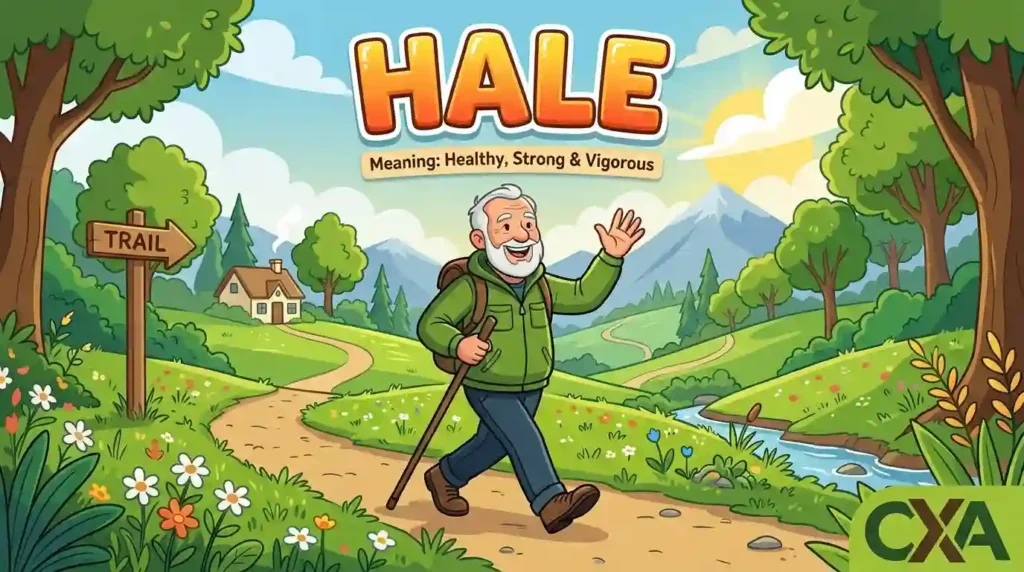
Quick Answer: Hale means healthy, strong, energetic, and physically well.
The word “hale” is often used to describe someone who appears active, healthy, and full of life. You’ll usually hear it in phrases like “hale and hearty.”
For example:
- “My grandmother is still hale at 92.”
- “He looked hale after recovering from surgery.”
Unlike internet slang that changes every month, hale is actually an old English word with roots going back centuries. It originally came from Old English and was connected to ideas of wholeness, health, and wellness.
Pronunciation Guide
Hale is pronounced:
Hayl
It rhymes with:
- pale
- tale
- sail
How the Meaning Evolved
Historically, hale was mainly used in literature and formal speech. Today, it appears in:
- motivational quotes
- Instagram captions
- wellness blogs
- poetic tweets
- lifestyle content
People now use it for a classy, elegant vibe instead of plain words like “healthy.”
So instead of saying:
- “She looks healthy”
Someone might say:
- “She looks hale and radiant.”
Sounds cooler, honestly.
How to Use “Hale” Correctly in Texts & Chat
The interesting thing about hale is that it sits somewhere between formal English and stylish modern expression.
It is not exactly slang, but people use it creatively online.
Best Situations to Use Hale
You can use hale when talking about:
- physical health
- aging well
- recovery
- fitness
- positive energy
- vitality
Examples:
- “Hope you stay hale and happy.”
- “After months of training, he finally feels hale again.”
Tone and Emotion
Hale usually feels:
- respectful
- warm
- uplifting
- slightly sophisticated
It is not sarcastic most of the time.
Platform-Specific Usage
SMS and WhatsApp
Usually appears in thoughtful messages.
Example:
- “Wishing you a hale recovery.”
Popular in aesthetic captions and wellness content.
Example:
- “Staying hale, hydrated, and unbothered.”
X and Reddit
Used in literary discussions or clever humor.
Example:
- “Coffee keeping me hale during finals week.”
Discord and Gaming
Rare, but sometimes used jokingly.
Example:
- “The healer kept the squad hale.”
When NOT to Use Hale
Avoid using hale in:
- serious business emails
- technical medical writing
- casual meme-heavy chats
Saying:
- “Our company remains hale financially”
…sounds weirdly medieval.
Formatting Tips
People often pair hale with:
- ✨
- 🌿
- 💪
- ☀️
Capitalization usually stays lowercase unless it starts a sentence.
Real Conversation Examples Using “Hale”
Between Friends
Alex: “Your dad still hikes every weekend?”
Maya: “Yep. Somehow he’s still hale at 67.”
This shows admiration and respect for someone aging well.
In a Family Chat
Mom: “Grandma is feeling much better today.”
Sara: “Glad to hear she’s hale again.”
Here, hale expresses relief and positivity.
Dating Conversation
Chris: “You’ve been hitting the gym lately?”
Lina: “Trying to stay hale before summer.”
This usage feels playful and health-focused.
Gaming Chat
Player 1: “Who kept everyone alive?”
Player 2: “Our healer made the team hale.”
In gaming, hale can sound fantasy-inspired or humorous.
Workplace Chat
Manager: “How are you feeling after your break?”
Employee: “Much more hale now, thanks.”
This sounds polished without being too formal.
Common Mistakes & Misunderstandings
Even native English speakers sometimes misunderstand hale meaning.
Confusing Hale With Hail
This happens constantly.
- Hale means healthy.
- Hail refers to ice pellets or greeting someone enthusiastically.
Example:
- Correct: “She is hale and active.”
- Wrong: “She is hail and active.”
Tiny spelling difference. Massive meaning change.
Thinking Hale Is Modern Slang
A lot of younger users assume hale is TikTok slang because it suddenly appears in aesthetic content.
It is actually a traditional English word that predates social media by centuries.
Pretty funny when ancient vocabulary trends online.
Using Hale for Mental Health Only
Hale mostly refers to physical strength and overall wellness.
While it can imply emotional wellness indirectly, it is not commonly used specifically for mental health discussions.
Generational Differences
Older generations often know hale from books or classic sayings.
Gen Z users may discover it through:
- Pinterest quotes
- cottagecore aesthetics
- wellness creators
- poetic captions
That creates a funny language crossover online.
“Hale” Across Different Platforms & Demographics
Gen Z Usage
Gen Z tends to use hale:
- ironically
- aesthetically
- poetically
Example:
- “Trying to stay hale after three iced coffees and no sleep.”
Classic internet humor.
Millennials
Millennials use hale more literally in:
- parenting blogs
- health discussions
- inspirational content
Older Generations
Boomers and older adults typically use hale traditionally.
Example:
- “He remained hale into his old age.”
TikTok and Instagram
Hale appears in:
- wellness captions
- vintage-style edits
- motivational reels
- fitness transformations
The word feels elegant and timeless, which fits modern aesthetic trends perfectly.
Is Hale Safe for Work
Yes. Completely.
Hale is:
- professional enough for respectful writing
- informal enough for casual conversation
It carries a positive tone and is generally safe in most contexts.
Related Slang, Abbreviations & Alternatives
| Word or Phrase | Meaning |
|---|---|
| Healthy | Physically well |
| Fit | In good physical shape |
| Hearty | Energetic and lively |
| Strong | Physically powerful |
| Thriving | Doing extremely well |
| Radiant | Looking vibrant and glowing |
| Robust | Strong and healthy |
| Flourishing | Growing successfully |
| Wellness | Overall good health |
| Alive and kicking | Energetic despite age |
You can also explore related phrases like:
- healthy meaning
- thriving meaning
- robust definition
- fit slang meaning
These terms often appear alongside hale in lifestyle and wellness conversations.
FAQs:
What does hale mean in texting
In texting, hale usually means healthy, energetic, or doing well physically. It often appears in supportive or thoughtful messages.
Is hale old-fashioned
Somewhat, yes. Hale is an older English word, but it has become trendy again thanks to aesthetic social media content and wellness culture.
What does hale and hearty mean
“Hale and hearty” describes someone who is healthy, cheerful, and physically strong, especially at an older age.
Can hale describe young people
Yes. Although commonly used for older adults, hale can describe anyone who appears healthy and full of energy.
Is hale formal English
Hale is semi-formal. It works well in polished conversation, writing, and respectful communication without sounding overly stiff.
Conclusion:
Language trends move fast online. One week it’s a brand-new abbreviation, the next it’s a centuries-old word making a comeback.
That’s exactly why hale meaning keeps showing up across social media, captions, and conversations.
At its core, hale simply means healthy, strong, and full of life. But the word carries a warm, timeless feeling that makes it more expressive than plain modern alternatives.
So the next time you hear someone described as “hale and hearty,” you’ll know exactly what it means , and maybe even start using it yourself.
Drop your favorite classic English word in the comments below and explore more modern slang guides while you’re here.

Hi, I’m Isabella Brown, the voice behind Codexao.com, where meanings aren’t just explained, they’re made easy to understand.
I’ve always been fascinated by how words shape the way we think, speak, and connect. But let’s be honest—most definitions out there feel confusing, outdated, or just plain boring.
That’s exactly why I created Codexao. Here, I break down words, slang, and modern expressions into simple, clear meanings you can actually use in real life.